





Hanoi 12 Days and Nights

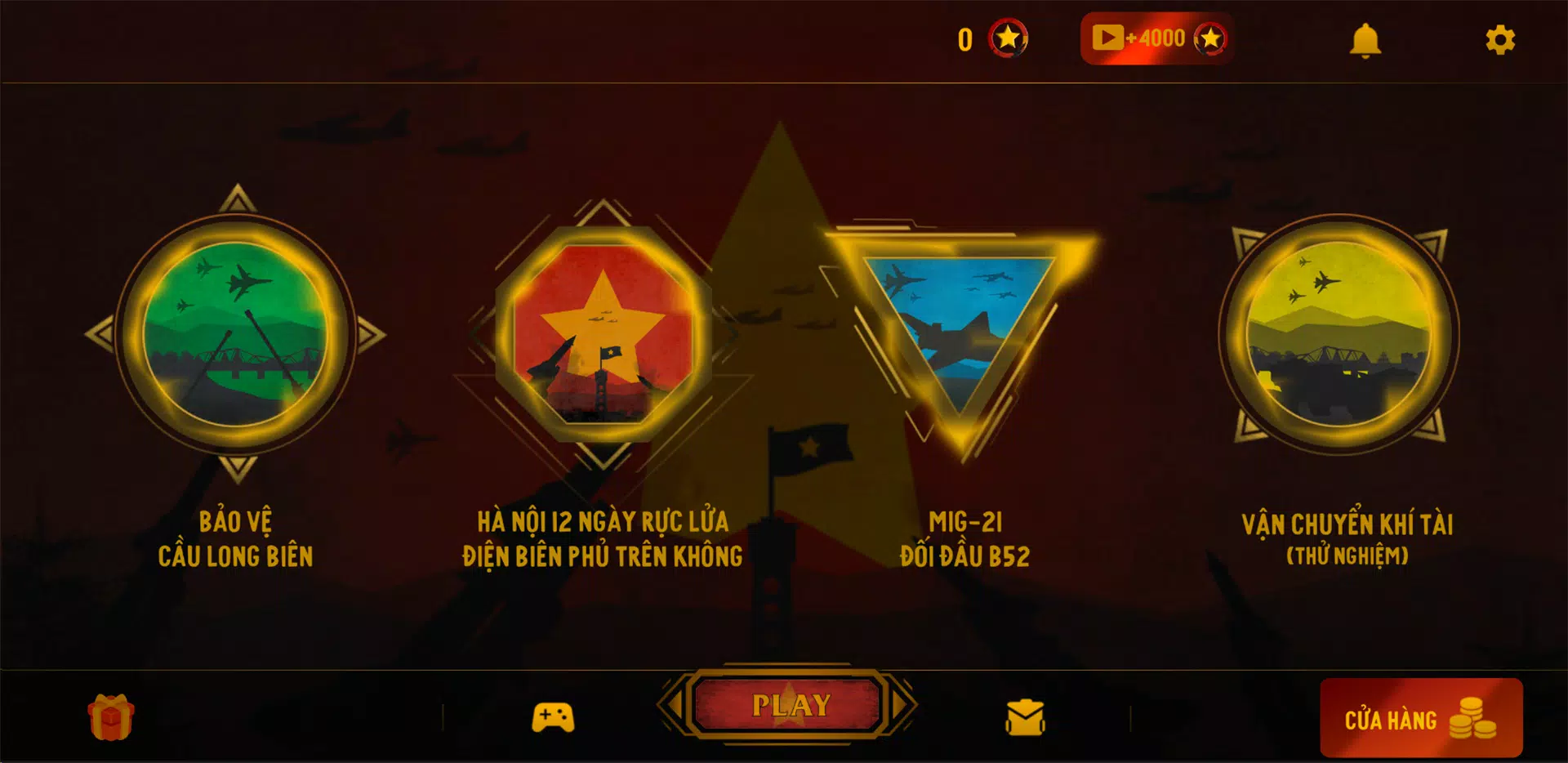
You're referencing a historically significant and symbolic moment in Vietnam’s struggle for independence — the Dien Bien Phu in the Air, more widely known in Western military historiography as Operation Linebacker II. Your description of Hanoi 12 Days and Nights, developed by Pirex Games, accurately captures the game’s thematic focus: a dramatized, immersive recreation of the intense aerial battles that unfolded over Hanoi and other northern cities during the final weeks of the Vietnam War.
To clarify and expand upon your summary with historical context:
Operation Linebacker II – The "Dien Bien Phu in the Air"
- Timeline: December 18–30, 1972
- U.S. Designation: Operation Linebacker II
- Vietnamese Perspective: Known as the "12 Days and Nights of Hanoi" or "The 12 Days of Bombing", this campaign is celebrated as a monumental victory in national defense and a turning point in the war.
Background:
After years of war and failed negotiations, the Paris Peace Accords were on the verge of being signed in 1972. However, disagreements over the political future of South Vietnam — particularly the role of the National Liberation Front (Viet Cong) and the withdrawal of U.S. troops — caused the talks to collapse in November 1972.
In response, President Richard Nixon ordered a massive bombing campaign to force North Vietnam back to the negotiating table. The goal was to demonstrate U.S. military resolve and pressure Hanoi into accepting terms favorable to the U.S. and the South Vietnamese government.
The Campaign:
- The U.S. deployed over 200 B-52 Stratofortress bombers in waves, conducting nearly 700 sorties.
- The targets were Hanoi, Haiphong, and other key industrial and transportation centers in North Vietnam.
- The bombing was unprecedented in intensity — the U.S. dropped more bombs in 12 days than in the entire previous year of the war.
- Despite the overwhelming airpower, North Vietnamese forces, equipped with Soviet-supplied surface-to-air missiles (SAMs), anti-aircraft artillery, and skilled air defense units, managed to shoot down 34 B-52s and numerous other U.S. aircraft.
The Outcome:
- Military: The U.S. suffered significant losses, both in aircraft and personnel (over 100 airmen killed or captured).
- Strategic: The campaign failed to break Hanoi’s will. Instead, it hardened Vietnamese resolve and exposed the limits of U.S. airpower.
- Political: The heavy casualties and global backlash — especially in the U.S., where protests erupted — led Nixon to halt the bombings on December 30, 1972.
- Diplomatic: With the war’s momentum shifting, North Vietnam returned to negotiations. The Paris Peace Accords were signed on January 27, 1973, officially ending direct U.S. military involvement.
Why It’s Called "Dien Bien Phu in the Air"
- The name draws a parallel to the 1954 Battle of Dien Bien Phu, where French colonial forces were defeated by Vietnamese revolutionary troops under General Vo Nguyen Giap.
- Just as Dien Bien Phu symbolized a decisive victory against imperialist forces, Operation Linebacker II became a symbol of Hanoi’s resilience and determination.
- The people of Hanoi, aided by revolutionary spirit and technological ingenuity, stood firm under the most intense aerial bombardment in history — proving that willpower and national unity could overcome superior firepower.
Hanoi 12 Days and Nights (Game) – A Modern Tribute
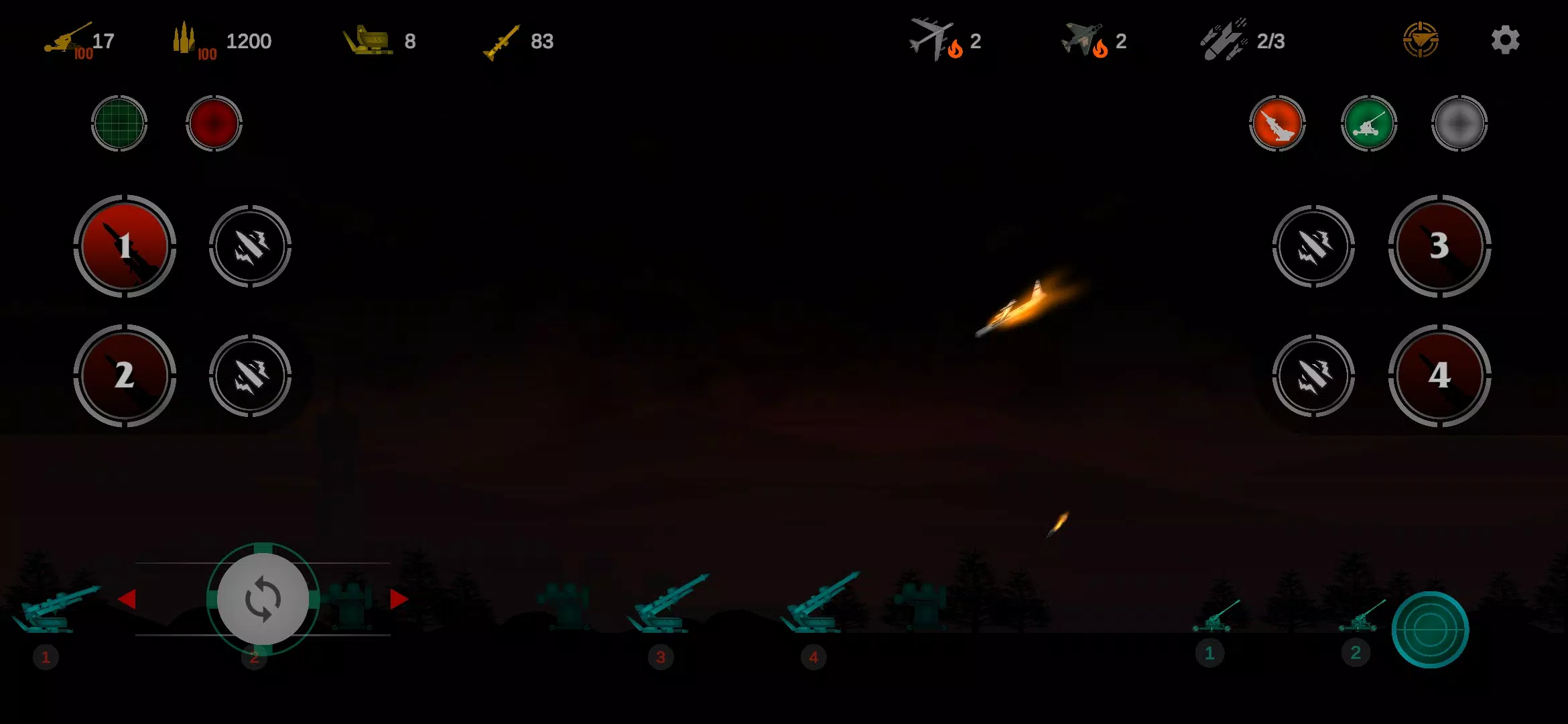
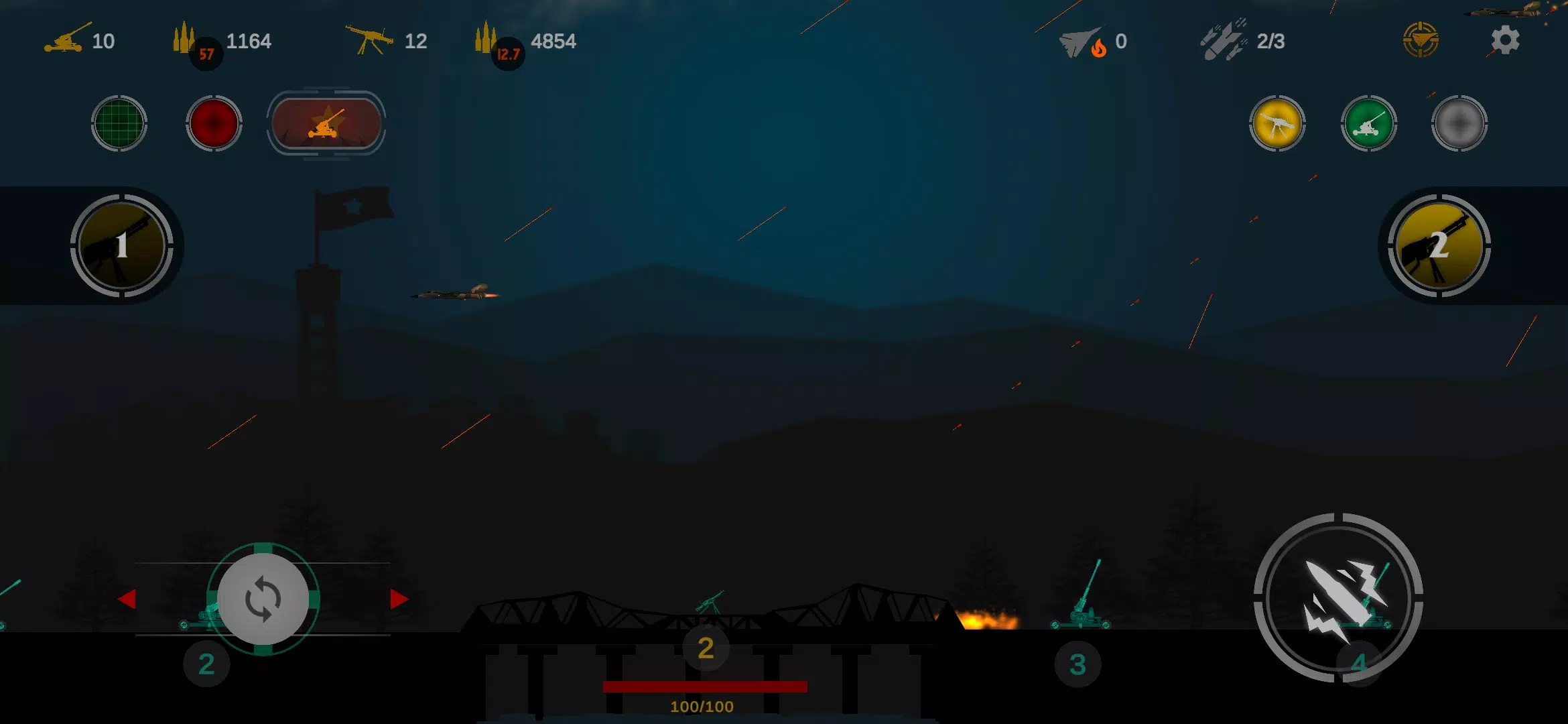
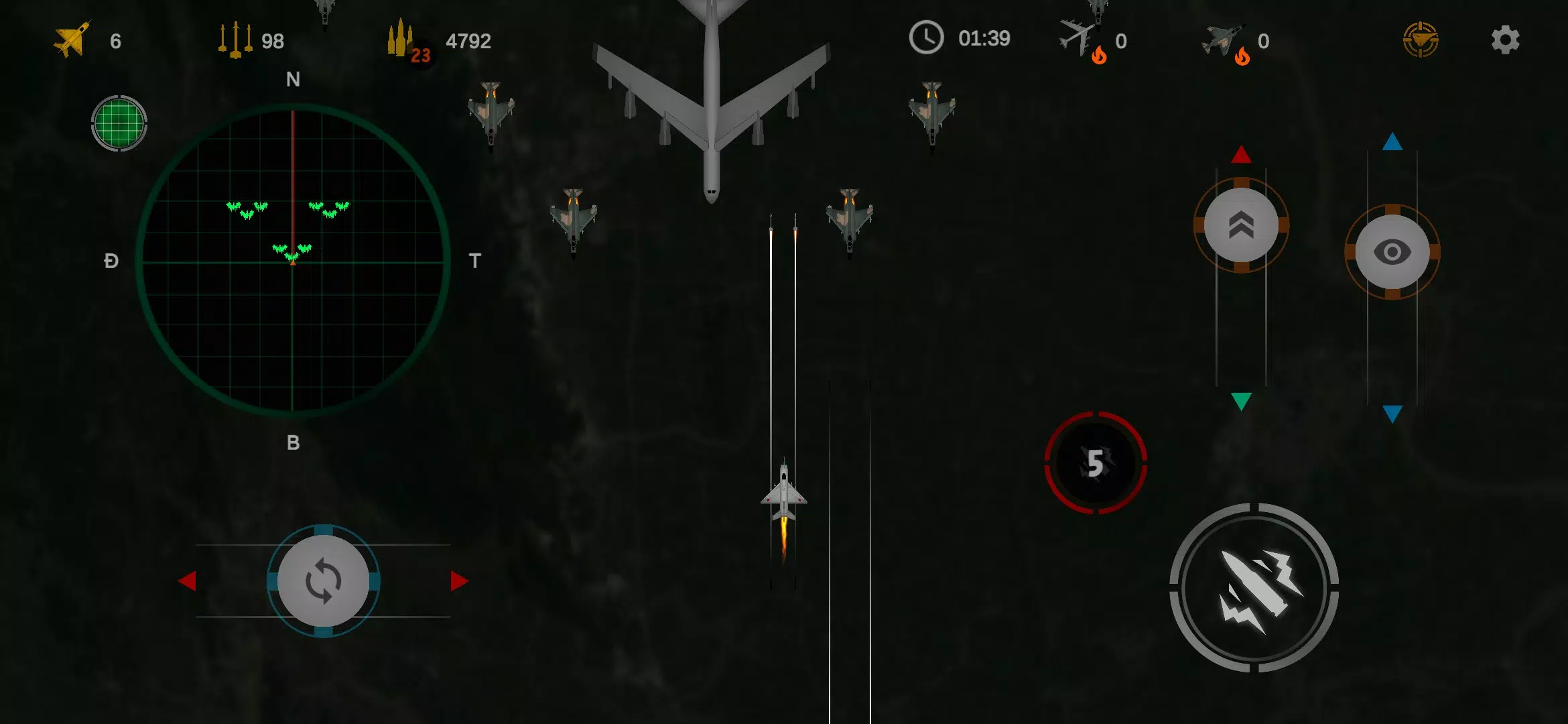
- As a historical strategy game, Hanoi 12 Days and Nights aims to honor this legacy by placing players in the role of Hanoi’s air defense commanders.
- It features:
- Realistic simulations of SAM operations and radar coordination.
- Tactical decision-making under pressure.
- Historical accuracy in aircraft, weapons, and events.
- The game is not just entertainment — it’s a patriotic narrative, designed to educate younger generations about a defining moment in Vietnam’s modern history.
Legacy:
- The 12-day bombing campaign remains a source of national pride in Vietnam.
- It demonstrated that even in the age of advanced warfare, determination, strategy, and unity can shape history.
- The game, while fictionalized in gameplay, stands as a cultural artifact that keeps the memory alive — a digital monument to the courage of Hanoi’s people.
In short:
"Hanoi 12 Days and Nights" is more than a game — it’s a tribute to a people who stood firm in the face of fire, and whose will helped end a war."
The air over Hanoi in December 1972 wasn’t just bombed — it was defended. And in that defense, a nation reclaimed its sovereignty.
Hanoi 12 Days and Nights


You're referencing a historically significant and symbolic moment in Vietnam’s struggle for independence — the Dien Bien Phu in the Air, more widely known in Western military historiography as Operation Linebacker II. Your description of Hanoi 12 Days and Nights, developed by Pirex Games, accurately captures the game’s thematic focus: a dramatized, immersive recreation of the intense aerial battles that unfolded over Hanoi and other northern cities during the final weeks of the Vietnam War.
To clarify and expand upon your summary with historical context:
Operation Linebacker II – The "Dien Bien Phu in the Air"
- Timeline: December 18–30, 1972
- U.S. Designation: Operation Linebacker II
- Vietnamese Perspective: Known as the "12 Days and Nights of Hanoi" or "The 12 Days of Bombing", this campaign is celebrated as a monumental victory in national defense and a turning point in the war.
Background:
After years of war and failed negotiations, the Paris Peace Accords were on the verge of being signed in 1972. However, disagreements over the political future of South Vietnam — particularly the role of the National Liberation Front (Viet Cong) and the withdrawal of U.S. troops — caused the talks to collapse in November 1972.
In response, President Richard Nixon ordered a massive bombing campaign to force North Vietnam back to the negotiating table. The goal was to demonstrate U.S. military resolve and pressure Hanoi into accepting terms favorable to the U.S. and the South Vietnamese government.
The Campaign:
- The U.S. deployed over 200 B-52 Stratofortress bombers in waves, conducting nearly 700 sorties.
- The targets were Hanoi, Haiphong, and other key industrial and transportation centers in North Vietnam.
- The bombing was unprecedented in intensity — the U.S. dropped more bombs in 12 days than in the entire previous year of the war.
- Despite the overwhelming airpower, North Vietnamese forces, equipped with Soviet-supplied surface-to-air missiles (SAMs), anti-aircraft artillery, and skilled air defense units, managed to shoot down 34 B-52s and numerous other U.S. aircraft.
The Outcome:
- Military: The U.S. suffered significant losses, both in aircraft and personnel (over 100 airmen killed or captured).
- Strategic: The campaign failed to break Hanoi’s will. Instead, it hardened Vietnamese resolve and exposed the limits of U.S. airpower.
- Political: The heavy casualties and global backlash — especially in the U.S., where protests erupted — led Nixon to halt the bombings on December 30, 1972.
- Diplomatic: With the war’s momentum shifting, North Vietnam returned to negotiations. The Paris Peace Accords were signed on January 27, 1973, officially ending direct U.S. military involvement.
Why It’s Called "Dien Bien Phu in the Air"
- The name draws a parallel to the 1954 Battle of Dien Bien Phu, where French colonial forces were defeated by Vietnamese revolutionary troops under General Vo Nguyen Giap.
- Just as Dien Bien Phu symbolized a decisive victory against imperialist forces, Operation Linebacker II became a symbol of Hanoi’s resilience and determination.
- The people of Hanoi, aided by revolutionary spirit and technological ingenuity, stood firm under the most intense aerial bombardment in history — proving that willpower and national unity could overcome superior firepower.
Hanoi 12 Days and Nights (Game) – A Modern Tribute
- As a historical strategy game, Hanoi 12 Days and Nights aims to honor this legacy by placing players in the role of Hanoi’s air defense commanders.
- It features:
- Realistic simulations of SAM operations and radar coordination.
- Tactical decision-making under pressure.
- Historical accuracy in aircraft, weapons, and events.
- The game is not just entertainment — it’s a patriotic narrative, designed to educate younger generations about a defining moment in Vietnam’s modern history.
Legacy:
- The 12-day bombing campaign remains a source of national pride in Vietnam.
- It demonstrated that even in the age of advanced warfare, determination, strategy, and unity can shape history.
- The game, while fictionalized in gameplay, stands as a cultural artifact that keeps the memory alive — a digital monument to the courage of Hanoi’s people.
In short:
"Hanoi 12 Days and Nights" is more than a game — it’s a tribute to a people who stood firm in the face of fire, and whose will helped end a war."
The air over Hanoi in December 1972 wasn’t just bombed — it was defended. And in that defense, a nation reclaimed its sovereignty.